Now offhand, yet deliberate
Hidden fistfuls of memory
Tossed into the dark and dusty crevices
Timeworn and tattered
An indictment from the past.

Waited, despaired, calculated all the reasons
And, I remembered – I too was callous
Used-up passion burnt upon the coals
Of a scorned and glowing heart
To make myself be how I twisted and turned;

Still, tender is the prayer I held for you
Not comprised of words
These nights my pillow is just that.
Not you, in disguise, held tightly as
A button in a timid child’s pocket.
If you hadn’t broken us
Would it all have washed away?
On the shore – fading gradually in the sun Turning it over in my mind one day
To see the darker side of what might have been.
Blog
All in a Day’s Work
In 1985, my father, a Russian Orthodox priest in Canada, had a parish visit from the Metropolitan, his boss. I’m sure my mother dutifully served tea, donning her babushka and her best floor length skirt. As the story goes, he called up my eldest brother, Nicholas, “Tell me, Nicky! What do you want to be when you grow up?” Beaming forward his dutiful answer as he received his blessing, “Vladika, I would like to be a priest!” The hierarch nodded and smiled. He then questioned Christopher, the middle child, “And, you?” Not to be outdone, he quickly rejoined, “I hope to be bishop!” Nearly overcome with joy, the bearded bishop turned his shining eyes to me, a wiry 4 year old, “Melanya, you must want to be a nun!” As family lore reports, I looked at him squarely and retorted, “No, I want to be rich.” My eldest brother is, in fact, a priest. My middle brother just retired after 20 years in the AirForce and works on something that he “can’t talk about or I’d have to kill you.” And, I? I am far from rich. As fate would have it, I did not seek after money, but rather after truth. I took up one of family trades, teaching in the humanities.
“Mountain of Orpheus”
In 1944 Heider and Simmel, experimental psychologists, did a landmark study at Smith College. Geometric shapes moved across the screen: a tiny triangle, a larger triangle, and a circle moved in and out of a rectangle and all over the monitor. Of the 34 young women tested, 32 of them saw these shapes as human and began to tell their story. One girl saw birds. One saw geometric shapes moving across a screen. This straightforward girl noted that they frequently bumped into one another. Most agreed that that the big triangle was a bully, “bad-tempered” and “aggressive”. The circle was deemed “shy, timid and meek” while the small triangle was believed to be “valiant, clever and shrewd”. How can it be so simple to see the story of shapes and so difficult to express a human story. Stories need to be told, need to be heard. They wait to be told and re-told. Not shapes, but flesh and blood. The story matters.
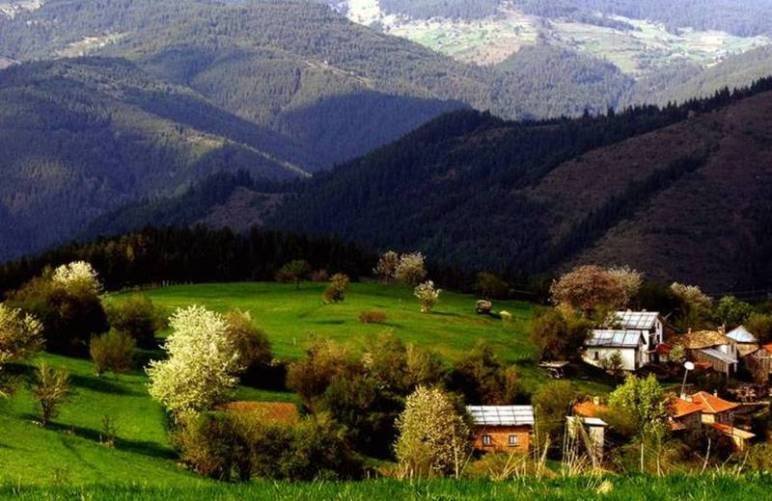
The Rhodope Mountains are considered to be the birthplace of Orpheus, the mythical poet and musician. His songs were so beautifully sung that he convinced Hades to release his wife from the Underworld. When looking at the mountains, it is not hard to believe that a hero would hail from them. Unlike many other spots on the Balkan Peninsula, the rivers here are almost always flowing and the vegetation is lush. It is a place where your soul breathes. While the mountains provide no impediment to being conquered, they do make travel and commerce difficult. The small Bulgarian village of Orehovo sits among these mountains and to this day it remains mostly untouched by modernity. Over 300 years ago when it was founded, it was constructed along the remains of an ancient Roman city built next to an even more ancient Thracian road. This sparsely inhabited area is simple, pure and home to wonders: natural bridges, caves covered in white calcite and powerful waterfalls.
The Ottomans were less aggressive and tyrannical in most areas of Bulgaria when compared to their other conquered territories: the women had more freedom, forced converts were allowed to keep their names, sometimes swine could still be raised, and they were allowed to retain their language. When Constantinople fell in 1453 it gave the Turks a foothold and base from which to crush local, Bulgarian resistance. Slowly, whole cities and regions succumbed. By 1600 the Ottomans reached the peak of their power and expanded their territorial control throughout the Balkan Peninsula. In certain places, like Orehovo the story was one of mass conversion and brutality. The shapes of the story come together to tell of suffering and a descent into a cave that was forever.
What happened in the Rhodopes? Why were they so systematically brutal? Why did they kill and pillage? What about these villages called for their destruction? All we have are the stories of the locals who remain: the lore, the legend, and the history.
The villagers heard that the Ottoman army was approaching. It was well-known throughout the village that caves had been washed out from the waters. If you were to step down to the left of Cheleveshkata Cave there was a steep and dangerous abyss. To the right there appeared to be a gradual path. Those born and raised in Orehevo knew appearances were deceiving; only the right turn led to safety and a deep, dark cavern. Thus, all of the women and children in the village went to hide there, hoping that the Turks, if they found them, would follow to the left and drop off the cliff. The men stayed behind to defend the village and their hearts shouted prayers to keep their young and their brides safe from harm.
Even the local town amateur historian does not quite understand what happened next. Some say that a man hoping to gain favor with the Turks, knowing that they would in the end be victorious, sold them all out. Some say that the Turks followed an old baba and her donkey to the caves; some say it was just plain bad luck. Whatever the cause, the Turks found the mouth of the cave. They took brush and piled it high in front of the opening and lit it on fire. The women and children died coughing on black smoke, suffocated, never to ascend from the world below. Why? Why didn’t they take them as slaves, exact tribute or force them to take the veil?
The men were taken up the mountain. They were offered the turban or they were pushed from the precipice. The men watched their friends, neighbors, sons, grandsons or fathers either accept the turban with shame or free fall to their deaths. To this day this point is called the hill of shrieks. The villagers say that at certain times you can still hear their cries.
Packing for Bulgaria (Woman with Kids for Family)
Before my first trip to Bulgaria, I was scouring the internet to help me pack. I’ve now visited three times. Today is the second day of our month –long stay. This year, I will be attending an intensive language seminar in Veliko Tarnovo. I had the chance while studying at Boston College to audit Bulgarian I & II. Here I’d like to share what I would have liked to know before traveling. For the most part, we stay in a relatively big city, Kazanlak, so if we need to buy something it’s not a far walk to the store.
- Clothing: it’s typical like most of Europe to give clothing a few wears before washing. Most homes have washing machines, but dryers are uncommon. Packing a few versatile pieces that are easily laundered is the best idea. While black is always a classic, most young people wear jeans or pants with printed tees (written in English). The women tend to take it up a few notches: they do not leave the house in sweats or scrubby clothing. The summer is hot, but by August nights are cool.
- Shoes: You will walk. A lot. I wear flip-flops or sandals all summer, and I can easily walk 3-4 miles in them. This is much harder in the older towns like Plovdiv or Veilko Tarnovo where the streets are still largely cobblestone. Sofia and bigger cities for the most part are easy to navigate. If you’re a woman going at a night, you will stick out without cute shoes, wedges or heels. For the first time I saw a few Bulgarian women wearing Keds-like shoes. I’ve packed sneakers, but never worn them.
- Toiletries: While most items can be purchased, I have never seen shave gel or cream for women. The tampons that are available are the O.B. kind without the applicator. They are typically sold in pharmacies and can be quite expensive. In my opinion, the room in my suitcase is worth packing my own. Tampax makes a compact/pocket version. Also, as a side note, most of the toilet paper there is scented and printed because many homes do not flush their paper but they throw it in a little bin next to the toilet. If you’re sensitive down there be on the look out for the rolls without pretty flowers. I shamelessly grabbed a roll from the Frankfurt airport. Showers in homes are entire rooms without bathtubs. Most hotels have stall-type showers now.
- Electricity: you will need an adapter. We grab several and couple small power strips for electronics. Most people have Wi-Fi. Phones and computers are a couple of years behind there. If you have the newest generation, do not expect to find compatible items even in bigger towns.
- Coffee: Yes, I am insane. This trip I brought a four cup Cusinart autodrip pot with a few days of coffee. I also brought little cream cups from Germany. Bulgarians drink expresso, and I’ve heard American coffee called “the sultan’s foot water.” Say what they may, I can’t do without it. The pot burned out after 5 uses. Only then did my husband tell me we should have bought an auto-drip pot here because of the voltage. You need to go to a bigger store if you want half-n-half or cream. The closest thing they have on hand is smetyana which isn’t really homogenized and when dumped into not so-hot expresso, the result is, well, a little clumpy.
- Kids: OH! Diapers are expensive which is why most Bulgarian babies are potty trained around one year old. They are sold in kids stores along with formula and specialty items. This year we bought a European double stroller (Obaby) since it is smaller than American ones but sturdy. I bought it used off of Craigslist. The years before we used an umbrella stroller and an Ergo. I am so much happier with the heavy duty stroller. The undercarriage storage, rain cover, and nice wheels are great when you have a lot of walking to do. Plastic bags in the store are an extra charge, so here you may want to pack reusable and Ziplocs for storage and diaper bags for poopy diapers.
Bulgarians are by and large kind, helpful and friendly. They will try their best to help you. Learn a few key phrases, and they will appreciate the effort. Enjoy your trip.
America is Not a Melting Pot or Salsa. It is a Chocolate Fountain.
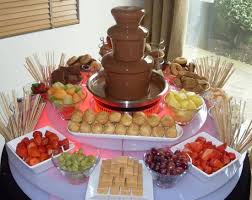 It’s Apparently World Chocolate Chocolate today. For years I have been purporting that America’s days as a melting pot, where all ethnicities eventually blend and merge into a pot of homogeneity, are over. In the early 90’s the “salsa” metaphor took over, claiming the Americans retained individual aspects of their cultures, and the flavors do not so much merge as they work in concert. While student teaching many moons ago, I hosted a lively debate with high school sophomores over which metaphor they found to be the most apt. At the end of the debate, they asked me which side I really believed was true. My answer: neither. American is a bubbling, chocolate fountain. Americans, depending on the origin, arrival, and desire to immerse into American culture are the vehicles for the chocolate, the tasty goodies if you will.
Take for instance the town where I grew up. The Catholic parishes were still divided along ethnic lines. There was a German parish, an Italian parish, and an Irish parish. Each had their own festivals, cookbooks, and sense of superiority over the others. In truth, almost all of the parishioners were 2nd or 3rd generation. My friend’s grandma who used her mother’s sauerbraten recipe, a pretzel passed through the fountain so many times that you could barely see the original form. My friend whose parents owned a local pizza shop and had immigrated from Italy, they were like pizelles who reluctantly drizzled chocolate because they felt they had to do so or perhaps. They still kept their Sunday family dinners, insisted on Italian in the home, keep plastic on the furniture, and refused to let their daughters out of the house.
Americans and those who are living here are CHOOSING how much to immerse themselves into the fountain. There are some who shun the fountain altogether, and there are lots of groups who perhaps just don’t mix with with the chocolate well because of who they are. I see myself as an American of Eastern-European descent who is trying to reclaim part of my heritage. Maybe I’m a chuck of babka that’s heavily coated in dried up chocolate and I’m trying to chip it away. With my children I realize that they will be dipped, but I am trying to not to drop them into the pool of delicious, but all consuming chocolate. In the end, they may choose, like each of us, how much they want to immerse themselves.
Bulgarian Zucchini Boats
Part of the frustration in trying to cook for my Bulgarian husband whose love language is food is that Bulgarian “receipts” are notoriously vague. Often measurements are given in “coffee cups” or one is supposed to bake in a “moderate oven” whatever those things to the American cook. In an effort to help all of you Balkan brides feed your men, when I cook something worth the effort, I will try to translate the recipe into American terminology and units.
My first attempt will be a dish that I made last night for Father’s day/one of our Bulgarican princess’ birthday.
Ingredients:
6 relatively equal sized green zucchinis (mine were about 8 inches)
1 cup of Bulgarian white cheese (sirene) or feta grated or crumbled
2 medium sized onions
3 tbs. of oil and later 1.5 cups of oil
1 tbs. of flour
1 cup of milk
3 eggs
Directions:
Heat oven to 350. Peel zucchini. Slice in half lengthwise. Cut and or scoop out the middle to leave your “boat.” Reserve pulp for later use. Grease a pyrex or similar 9×13 dish and lay the boats cored side up.
Chop onions. Heat 3 tbs of oil in a skillet. Add onions and stew with a little bit of water. While they are cooking over a med-low heat, take another pan and heat and add and lightly brown a tbs. of flour. This requires just stirring or shaking the flour a few times over a medium flame. Add the flour to the onions and stir. Add a half cup of water until well mixed. Remove from the heat.
Beat 2 eggs add mix into the cheese. Add the cheese mixture into the onion. Spoon the mixture into the boats.Mix the chopped up zucchini pulp into the milk. Pour over the boats.
Bake in the oven for 25-25 minutes. Pour the remaining oil over the baked boats and cook for another 10 minutes. Serve!
Dinner
I had given birth two weeks before and my mother was still staying with us in our house and in that emotional space that exists after you birth a brand new person for the first time. Irina, our precious progeny, has having difficulty breastfeeding and most nights we were up together, dozing but connected, both tired and thirsty. On a clear, hot July Tuesday, B pulled into our driveway. My mother and I walked out to greet him, well them, I guess. He pulled two cages out of our 1997 Green Toyota Camry and inside were two roosters flapping about furiously.
“What are you planning on doing with those?” she suspiciously inquired. I held my breath as I waited for his answer. 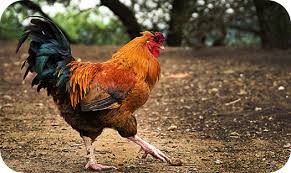
“We’re going to eat them!” he beamed.
Then we laughed a collective, nervous laugh. There were so many questions: How? Why? When? Must we? Really?
They had come from the nice little woman we buy our eggs from weekly. These roosters were getting rowdy and she didn’t want them. I suppose upon hearing B’s thick, Eastern-European accent she figured that he would have the particular knowledge to handle the situation for her; she was right.
After a quick trip to our local Wal-Mart he set up his “rooster-killing station”. I had my reservations. What if the neighbors see us? Can’t we just keep them as pets?
Troubled, that night I tried to put it out of my mind. I rocked Irina in my arms as she suckled on my breast. I was relived to see her facial muscles relax, her eyelashes rested on her pink, round cheeks and her milky breath steamed on my chest. Blissfully, deeply and hard, we both slept. 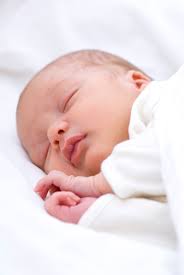 Sometime around 4 am I jumped out of my sleep and the pair of them crowed loudly, “Cocka doodle do!” again and again in an ear-pinching cry. I tried to understand what was going on.
“Where are they?” I fought to make out the syllables in my startled and confused state.
“In the basement,” B replied.
“Kill them. Now.”
Work of Human Hands
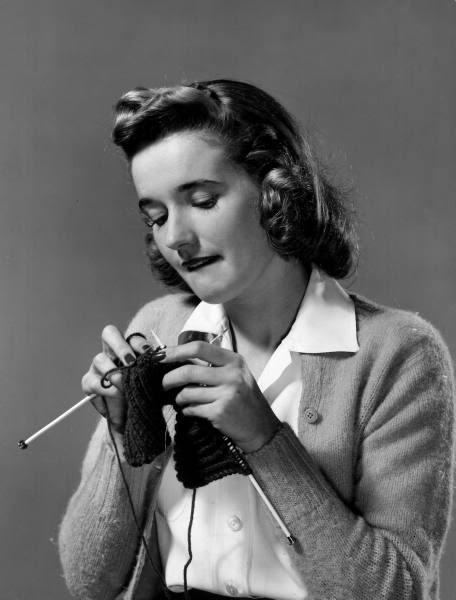
A well-planted fig tree stands in the northwestern corner of the plot, and to reach the highest branches and the fruit closest to the sun you must step onto the old stainless steel stool. This is actually the stool’s secondary purpose. Mostly Baba Bonka sits upon it perched rather spryly when she prepares spring, summertime and early fall meals. In her old, flowered frock she peels and pares.
She washes and rinses in a stone sink, centered in the middle of the large yard. In its basin rests a bright green plastic bucket, which seems so out of place and anachronistic. It is the bucket that belongs to this modern world, and Baba Bonka who is not long for it. She belongs to the earth and it to her.
When she first met Bogomil in 1945 he was selling a piglet to her uncle. Her uncle had said that he was strange. He wanted to be educated in the West, and he returned from Austria with a different look in his eye. But, Bonka liked it. And, she knew that she would follow this scrawny young man with the crooked smile and straightforward manner.
He left to go back to school that summer, but he came back for her to take her West. The iron curtain came down, and they were behind it. And so they built a life, right there in the land of their fathers. Not the joyless, colorless life that one imagines under communism; they still laughed.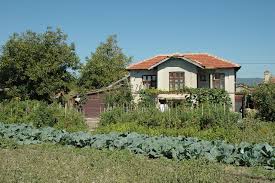 They built a house for themselves with the help of her father. They spent the extra money that they didn’t really have to cover the outside walls in stucco mixed with mica that sparkled in the sunlight and felt rough to the fingers. The earth was tilled and filled. A garden of time: moments spent planning, planting, pruning. Bogomil worked in the garden every day. When the babies came, Bonka pushed them in the carriage, back and forth, back and forth until they slept under the grape vines, full, ripe and purple with longing. Every summer they yielded the wine for the year. And the rest of the garden provided food throughout the seasons: pickled, dried, and preserved.
At night, Bonka sang in her chair and knitted warm woolen socks for her babies or kneaded the dough for tomorrow’s mekitsi. And, Bogomil worked by the stove in the corner. He faced the window and looked out over the garden as he worked. He drew up inventions, blueprints and plans. He would submit them to the bosses. He’d be rewarded with many silly-looking but official communist medals, but never any money. And, he never joined the party. And when the curtain fell, the house and the garden still stood. This was the way to live a life after all.
East Eats (with) West
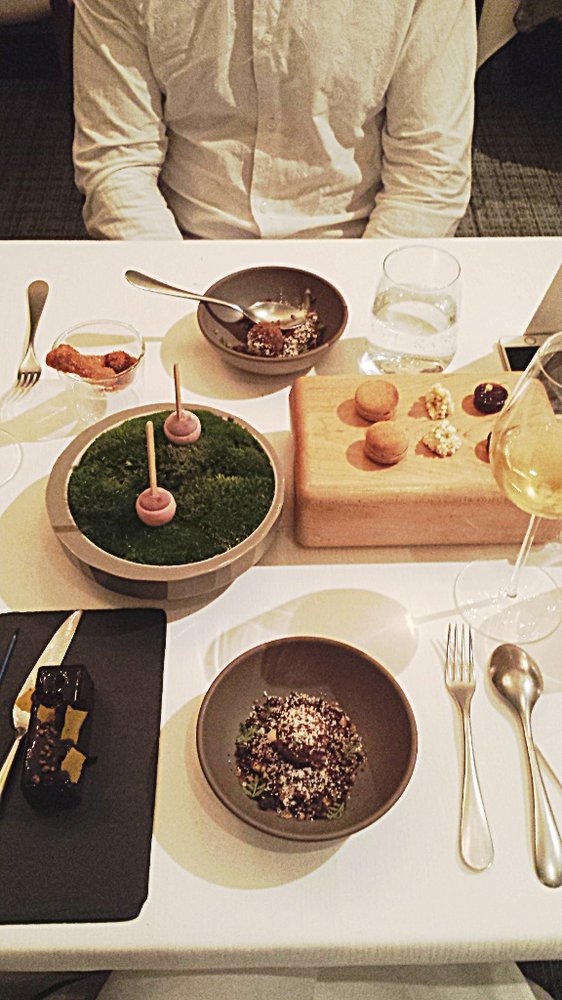
I Googled “dating someone who doesn’t speak English as their first language” and I assumed that there would be a modicum of useful information, there wasn’t. Wine and cheese seemed paltry offerings attempting to bridge the gap between our languages, cultures and experiences. Yet, here we were on our first date. I was pretending to like tapas. Who really likes tapas? It’s like pretending to like abstract art; no one really understands it. I mean maybe if you’ve had a full dinner beforehand or if you’re used to eating Tic-Tacs for entire meals, t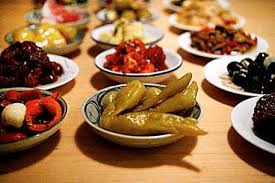 his type of thing appeals to you. Those over-priced plates are a scam perpetuated on those who pretend to have Epicurean sensibilities. But, I remember, you seemed to like them. In fact, you seemed to love them. You raved about how artistic they were. “Delicious!” you exclaimed with an overemphasized “De” indicating your zeal to pronounce the word correctly as you picked up a piece of toast that appeared to be covered with rabbit food.
A few glasses of white sangria later, I stopped to notice that your smile crept up on the left corner first before it spread across your mouth and twinkled its way into your eyes. And, I liked it. You sounded a little less like Dracula at this point. Your views on the EU, your love of Persian poetry, and your knowledge of obscure theologians impressed me. I wondered what was wrong with you. I remember asking myself over and over again, “Why is he single?” Then I remembered, that I was single too, so I stopped asking. 
You told me inane facts – that you learned to drive here, in the states. You learned to paint and liked to shop at outlets (like most of the Europeans I know). Who likes outlets anyways? Those overpriced stores are scams perpetuated on those who don’t know how to navigate the world of Internet shopping or TJ Maxx. Then I realized that the stubble on your face reminded me of a Bedouin, in a good, mysterious way. It made me think of bedazzled, magenta silken scarfs draped over low, square dinner tables with oversized cushions, not chairs.
I remember, perhaps most importantly, the story of your coming here. How 12 years before you were in a camp that exploited the labor of young Eastern Europeans, and how you planned your daring escape. Boy, your accent was sexy. Your daring escape was only thwarted by your unexpected release. Homeless, with your backpack full, you made your way to the closest big city: Boston. Then I caught you looking at my cleavage and I blushed, but I didn’t mind.  So there we were, in the cradle of modern American, two unlike people suddenly without suspicion, and the tapas was delicious. On our second date we went shopping. At the outlets.
 Our Post-Cold War Marriage